


Why Breed-Specific Care Matters for Your Pet’s Health
Is your otherwise happy dog constantly snoring? Are you worried about that little cough your senior cat developed? Sometimes, a pet’s health mystery isn’t mysterious at all- it’s written right in their DNA. Knowing your pet’s breed isn’t just about appearance; it’s about understanding the specific health risks and sensitivities they inherited. Tailoring your pet’s care to their breed helps your veterinarian detect potential problems early, moving beyond treating symptoms to creating preventive plans that support lifelong wellness.
At Guam Pet Hospital, we believe that caring for your pet means understanding what makes them unique. Dr. Bob’s four decades of veterinary experience- and his deep compassion for pets and their people- allow us to personalize care for each patient, from wellness visits to emergency treatment and long-term health management. We take time to educate owners about breed-specific risks and preventive steps, helping you protect your pet’s health and comfort at every stage of life.
Understanding Why Breed-Related Health Problems Occur
Selective breeding has shaped the diversity of dogs and cats we know today, but it has also concentrated certain genetic traits that make specific breeds more prone to particular medical conditions. Recognizing these risks helps veterinarians catch disease early and guide owners through preventive care before symptoms develop.
Some dog breeds with highest risk of health problems include Bulldogs, Dachshunds, and German Shepherds- each with distinct needs that benefit from individualized care. At Guam Pet Hospital, we customize every preventive plan to reflect your pet’s genetic background, activity level, and environment, using advanced diagnostics and compassionate guidance to help your pet live comfortably for as long as possible.
Breathing and Birthing Challenges in Brachycephalic Breeds
Flat-faced breeds like Pugs, Bulldogs, and Persian cats are beloved for their expressive features- but their anatomy can make breathing more difficult. Brachycephalic Obstructive Airway Syndrome causes narrowed nostrils and elongated soft palates that restrict airflow. Pets may snore, pant heavily, or tire quickly during play or hot weather. These breeds also face higher risks of birthing difficulties, making close supervision during pregnancy and delivery essential for the safety of both mother and puppies.
At Guam Pet Hospital, we carefully monitor breathing during exams and surgeries to ensure these pets remain safe and comfortable. For dogs with chronic snoring or labored breathing, we may recommend imaging or corrective surgery to improve airflow and quality of life. Our emergency care team is also available for after-hours respiratory distress, ensuring help is always close at hand when it’s needed most.
Musculoskeletal and Neurological Conditions by Breed
Many breed-specific orthopedic and neurologic conditions can impact movement and comfort throughout a pet’s life. Dobermans and Great Danes may develop Wobbler Syndrome, which compresses the spinal cord and affects coordination. Early signs include a wobbly gait or neck pain that can progress to weakness or instability in the limbs. German Shepherds are prone to Degenerative Myelopathy, a progressive condition that causes hind limb weakness over time. Though painless, it requires supportive care and environmental adjustments to preserve quality of life.
Long-backed breeds like Dachshunds often experience Intervertebral Disc Disease, leading to pain or even paralysis. Symptoms may appear suddenly after running, jumping, or twisting, and early rest and veterinary attention often determine whether recovery is possible.
From weight management to pain control and physical therapy, we focus on compassionate, practical strategies that restore comfort and mobility while helping pets maintain their independence.
Heart and Circulatory Disorders in Predisposed Breeds
Some breeds are genetically predisposed to heart disease, making early detection and consistent monitoring essential. Small breeds such as Cavaliers often develop Mitral Valve Disease, which can cause coughing, fatigue, or fluid buildup. This condition gradually reduces how efficiently the heart pumps blood and, without early care, can progress to congestive heart failure.
Larger breeds like Dobermans, Great Danes, and Boxers face different risks, most notably canine dilated cardiomyopathy (DCM). This disease weakens the heart muscle, making it harder to circulate blood effectively and increasing the risk of fainting or fluid accumulation in the chest and abdomen.
Cats are also susceptible to serious heart conditions, particularly hypertrophic cardiomyopathy, which thickens the heart walls and restricts normal function. This condition is especially common in breeds such as Maine Coons and Ragdolls. Because cats are experts at hiding illness, cardiac screening is an essential part of their long-term care.
Regular checkups and imaging, including chest X-rays or ultrasound, can reveal early warning signs before symptoms become severe. At Guam Pet Hospital, we use gentle monitoring and ongoing communication to support owners through diagnosis, treatment, and long-term management. Our goal is to identify potential heart disease early- before it impacts quality of life- and to empower families with clear, proactive care plans.
Dental and Eye Conditions Linked to Breed
Small dogs like Chihuahuas and Yorkies often struggle with toy breed dental issues, including overcrowding and early tooth loss. Their small jaws leave little space for proper alignment, which allows bacteria and plaque to accumulate. Over time, this can lead to gum disease, infections, and tooth loss that impact both comfort and systemic health. Regular dental cleanings and daily brushing help prevent these complications and preserve long-term oral health.
Many breeds also inherit eye disorders. Hereditary eye disease in dogs can cause cataracts, retinal detachment, or blindness- particularly in breeds such as Cocker Spaniels, Siberian Huskies, and Border Collies. Because many of these disorders progress without obvious signs, early eye screening is essential to preserve vision. Cats may develop Progressive Retinal Atrophy, a degenerative condition that impairs vision over time. While these cats often adapt well, stable lighting and consistent home layouts help them navigate comfortably.
At Guam Pet Hospital, we perform detailed oral and ocular exams during every wellness visit and provide gentle medical or surgical care when needed to protect vision and comfort.
Breed-Linked Cancers and Organ Diseases
Certain cancers and inherited diseases tend to cluster within specific breeds. Larger breeds such as Golden Retrievers and German Shepherds face higher risks of hemangiosarcoma, a dangerous vascular cancer that can appear suddenly. This aggressive disease often affects the spleen or heart, leading to internal bleeding that may not be apparent until a collapse occurs. Large breeds are also more prone to osteosarcoma, a fast-spreading bone cancer that typically develops in the limbs and causes lameness or swelling. Boxers and Retrievers are more likely to develop mast cell tumors, which may look like benign skin lumps but can become aggressive if untreated.
Persian cats often face Polycystic Kidney Disease, where fluid-filled cysts replace normal kidney tissue, gradually impairing function. Extra-small breeds such as Yorkies and “teacup” dogs may experience portosystemic shunts, in which toxins bypass the liver and enter circulation, leading to digestive or neurological symptoms. Deep-chested breeds like Great Danes and Boxers are also vulnerable to Gastric Dilatation-Volvulus, or bloat- a life-threatening condition that requires immediate emergency surgery.
At Guam Pet Hospital, we use advanced imaging and labwork to detect these changes early and support families through diagnosis, treatment, and ongoing care. Our compassionate approach ensures that pets remain comfortable and loved through every outcome, including palliative support when needed.
When to Seek Veterinary Help
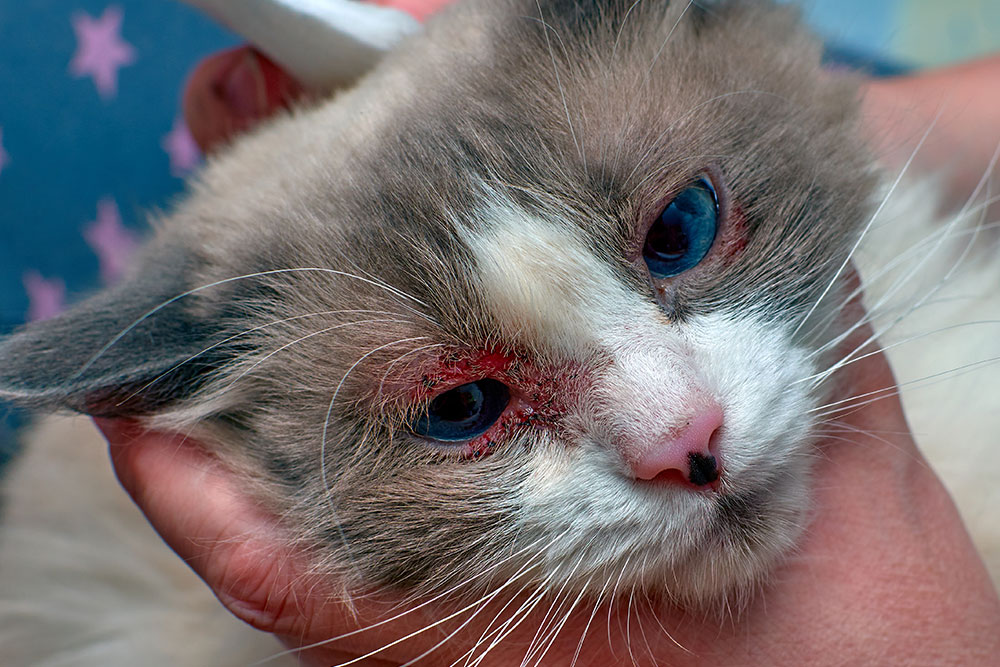
Some breed-related conditions can escalate quickly. If you notice difficulty breathing, fainting, sudden swelling, or abdominal distension, your pet needs immediate attention. Having a plan and knowing how to examine your dog at home can help you recognize subtle issues before they become emergencies.
To stay prepared, keep a pet emergency checklist handy so you can act quickly when every minute matters. Guam Pet Hospital offers after-hours emergency care and home visits, ensuring your pet receives help whenever it’s needed most. If you are ever unsure, call us- we’ll guide you through next steps and keep your pet as comfortable as possible until you arrive.
Taking a Proactive Approach to Breed-Specific Care
Understanding your pet’s breed tendencies is one of the best ways to prevent disease and extend their life. From early genetic screenings to customized nutrition and wellness plans, breed-specific care empowers you to make informed, proactive decisions about your pet’s health.
At Guam Pet Hospital, we’re here to guide you with empathy, experience, and love- just as you care for your pet every day. Schedule your next wellness visit or contact us to discuss how we can personalize your pet’s care for their breed and lifestyle. Together, we’ll keep your companion healthy, happy, and thriving.



Leave A Comment