

From IMHA to Immune Thrombocytopenia: Recognizing Autoimmune Blood Diseases
Sudden weakness, pale gums, bruising, or a pet who just seems off can be scary, especially when it happens fast. Autoimmune blood diseases develop when the immune system mistakenly attacks healthy blood cells, disrupting oxygen delivery or normal clotting. These conditions can progress quickly and feel overwhelming. Early recognition and prompt veterinary care are critical to stabilize pets and protect their quality of life.
At Guam Pet Hospital in Hagåtña, Dr. Bob and our team bring decades of hands-on experience and a calm, compassionate approach to complex autoimmune blood disorders. With in-house services, after-hours support, and emergency home visits when needed, we focus on caring for pets the way you do. You can request an appointment or reach out through our contact page for guidance and support.
What Happens When the Immune System Turns Against Itself?
Your pet’s immune system usually protects the body from germs. Sometimes it malfunctions and attacks the body’s own blood cells instead. When red blood cells are destroyed, anemia develops, and the body struggles to deliver oxygen. When platelets are targeted, clotting fails and bleeding risks rise.
These diseases can be primary (no clear cause) or secondary to infections, certain medications, cancer, or immune complex disorders. In some cases, cytotoxic antibody reactions show how antibodies mistakenly mark healthy cells for destruction.
We use comprehensive diagnostics to identify the specific problem and uncover any triggers, so treatment can address both the immediate crisis and long-term management.
When Red Blood Cells Come Under Attack
Immune-mediated hemolytic anemia (IMHA) is one of the most serious autoimmune blood conditions in pets. Antibodies attach to red blood cells and the body destroys them faster than the bone marrow can replace them, causing severe anemia.
Common signs include:
Sudden lethargy, weakness, or collapse
- Pale or white gums; sometimes yellow gums, skin, or eyes
- Rapid breathing, fast heart rate, or dark urine
IMHA can worsen quickly and is a true emergency. Early, aggressive treatment improves outcomes, and many pets recover well when treated promptly.
We maintain after-hours emergency services for crises like these. With extensive experience, including work alongside specialists at a top referral hospital, we can recognize IMHA quickly and begin life-saving care. Our in-house lab provides immediate results when time matters most.
Understanding Platelet Destruction and Bleeding Risks
Immune-mediated thrombocytopenia (ITP) occurs when the immune system targets platelets, the cells that help blood clot. When platelet counts drop, even small bumps can cause big bruises or bleeding.
Watch for:
Tiny red or purple spots on skin or gums (petechiae)
- Unexplained bruises
- Nosebleeds or bleeding gums
- Blood in urine or stool
Some pets remain active; others lose energy or appetite. Many respond well to medications that calm the immune system, and improvement often begins within days to weeks.
Our in-house testing lets us check platelet counts and examine blood smears right away, so treatment can start without delay.
When Multiple Blood Cell Types Are Affected
Some pets develop both IMHA and ITP at the same time, facing anemia and bleeding risks together. These cases require careful balancing of medications and close monitoring. Hospitalization is often needed at first.
With decades of experience, including successfully managing complex autoimmune cases, we adjust treatment as pets stabilize and recover.
How We Diagnose Autoimmune Blood Disorders
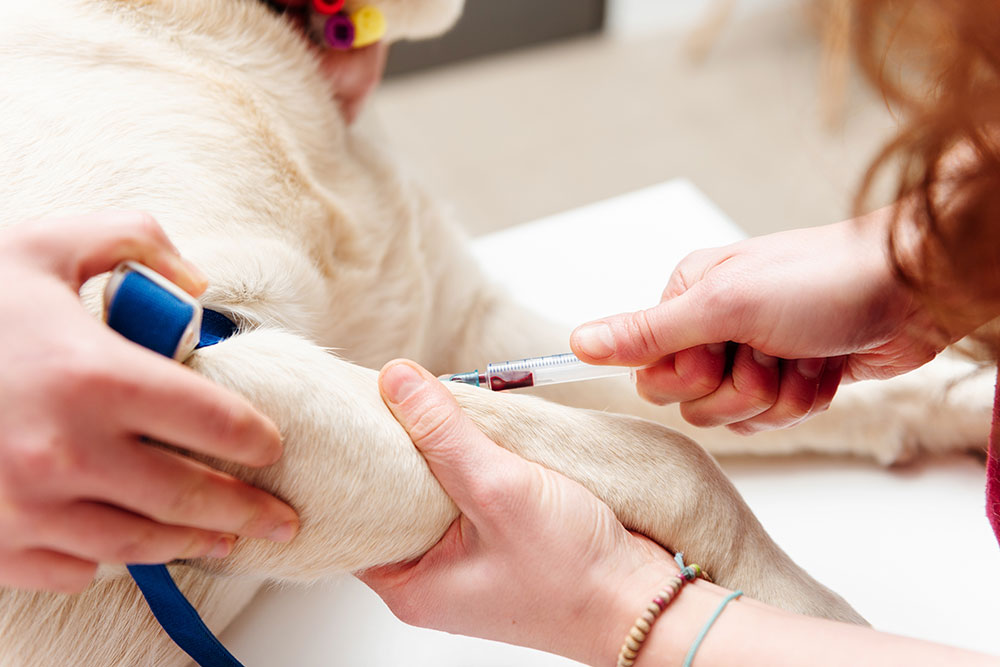
Accurate diagnosis combines a thorough exam with targeted lab tests. We look at gum color, heart and breathing rates, and check for organ changes. We also consider infections, medications, or cancer as possible triggers of immune-mediated diseases.
Typical tests include:
Complete blood count to measure red cells and platelets
- Blood smear to assess cell shape and clues of immune attack
- Reticulocyte count to see if the bone marrow is making new red cells
- Tests that detect antibodies on red cells
- Chemistry panels to assess organ function
We may add tick-borne disease testing, imaging, or a medication review to identify triggers. Fast in-house results help us act quickly during acute crises.
Treatment Approaches That Save Lives
Treatment has three goals: stop the immune attack, support the pet through the crisis, and prevent complications. Care often starts with corticosteroids to calm the immune system, sometimes combined with other immunosuppressive medications to improve control and reduce long-term steroid use.
Supportive care may include:
Intravenous fluids to maintain hydration and blood pressure
- Oxygen support for severe anemia
- Anti-nausea and appetite support to maintain nutrition
- Blood transfusions when anemia is severe
Most pets begin in the hospital for close monitoring, then transition to home care as they stabilize. Medications are tapered over weeks to months as blood counts improve. We accept CareCredit to help families manage unexpected costs.
What to Expect for Your Pet’s Future
Prognosis varies by condition, severity, triggers, and how quickly care begins. Many pets achieve remission, eventually coming off medications. Others need long-term maintenance to keep the immune system controlled.
Regular rechecks are essential. Bloodwork shows how treatment is working and helps us adjust doses. We also watch for side effects like increased thirst, urination, or digestive upset.
Relapses can occur months or years later. Knowing early warning signs and keeping up with routine care helps us intervene quickly. We partner closely with families to balance effectiveness and quality of life.
Supporting Your Pet at Home
Once your pet is home, you are a vital part of the care team. Precise medication timing and close observation make a real difference.
Home care tips:
- Give all medications on schedule without skipping doses
- Check gum color daily and note any pale or yellow changes
- Watch for bruising, red skin spots, or bleeding
- Track appetite, energy, and bathroom habits
- Keep a written log of symptoms and medication times
- Limit strenuous activity while healing
- Create a calm, low-stress routine
Call right away if you see changes rather than waiting for your next visit. Our after-hours line at 671-682-8890 connects you to our team when you need guidance.
Bringing a short journal to rechecks helps us spot trends and fine-tune treatment together.

FAQs: Quick Answers for Pet Owners
What is IMHA in simple terms?
IMHA is when a pet’s immune system destroys its red blood cells, causing severe anemia and low oxygen.
What is ITP?
ITP is when the immune system destroys platelets, leading to easy bruising and bleeding.
How fast do these conditions progress?
They can worsen within hours to days, which is why rapid evaluation is so important.
Can pets recover?
Yes. Many pets recover well with timely treatment and follow-up care; some need long-term medication.
When should I call the vet?
Immediately if you notice pale gums, sudden weakness, bruising, bleeding, collapse, or dark urine.
Your Partner in Managing Complex Immune Conditions
Autoimmune blood diseases are serious but not hopeless. Advances in testing, treatment, and supportive care mean many pets now recover and enjoy a great quality of life. The most important step is early recognition and prompt veterinary attention.
If your pet shows weakness, pale gums, bruising, or seems off, trust your instincts and seek care quickly. At Guam Pet Hospital, we combine Dr. Bob’s experience with modern diagnostics and evidence-based care to guide you every step of the way. For urgent questions, ongoing management, or to get your pet evaluated, contact us or request an appointment today. We are here to help, reassure, and partner with you in your pet’s care.





Leave A Comment