

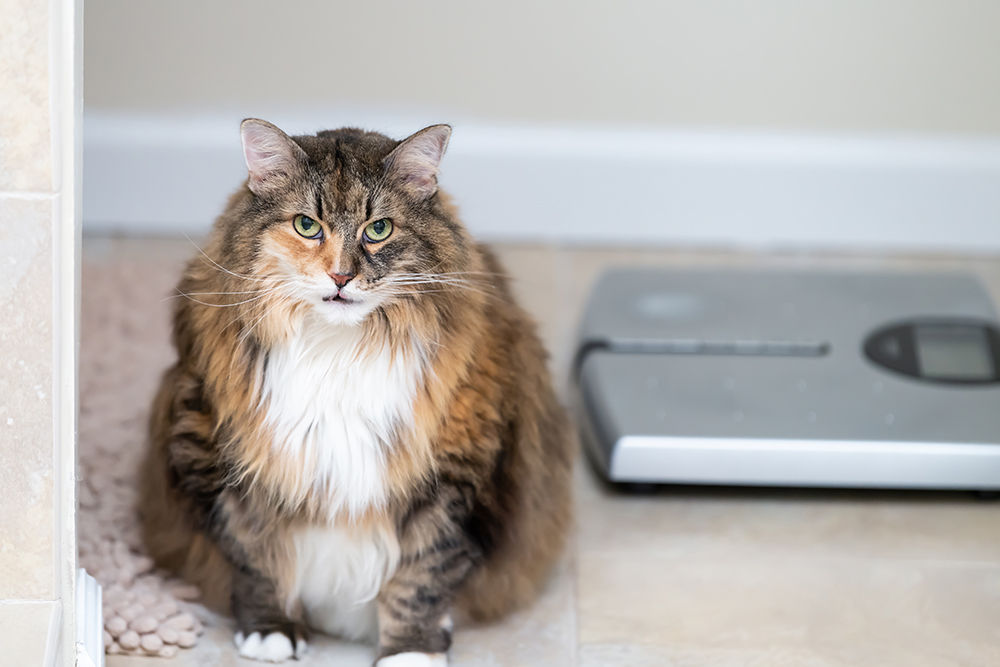
Weight conversations in veterinary medicine can feel uncomfortable. Nobody wants to hear their pet described as overweight. But body condition scoring isn’t about judgment; it’s about function. Your pet carrying too much weight puts constant extra stress on their joints, heart, and metabolic systems. Your pet, if too thin, is losing muscle and organ reserve they’ll need if illness strikes. The body condition score (BCS) is simply a standardized way to assess whether your pet’s weight is where it needs to be, and learning to use it yourself is surprisingly practical.
Guam Pet Hospital’s Dr. Bob brings decades of veterinary experience to the island community here in Hagåtña. We’re happy to teach you how to perform basic body condition checks at home between visits, with small steady changes producing better results than crash diets that backfire. Request an appointment or contact us to get your pet’s condition assessed.
Why Isn’t the Number on the Scale Enough?
Weight alone doesn’t tell you whether your pet is healthy. Two dogs of identical weight can have very different body composition. One might be a lean, well-muscled athlete; another might be carrying significant body fat with reduced muscle mass. The scale doesn’t distinguish between them, but the consequences for joint health, organ function, and longevity are very different.
Body condition scoring evaluates fat and muscle together, giving a clearer picture of overall body composition. The key principles:
- Both over and underweight cause health problems, just in different ways
- Breed and build matter: a Whippet at “ideal” looks very different from a Bulldog at “ideal”
- Muscle is denser than fat, so a fit pet may weigh more than expected without being overweight
- Breed standards or show looks don’t always match what’s healthiest for joints and longevity
- Muscle health matters as much as fat percentage, especially in seniors
The most useful question isn’t “what does the scale say?” but “how does my pet move, breathe, and engage with daily life?”
How Does Body Condition Scoring Work?
The standard veterinary body condition scoring scale runs from 1 to 9 (or sometimes 1 to 5, with half-point increments), with the middle of the range representing ideal condition. Performing a basic assessment yourself takes a few minutes and uses three perspectives:
From Above
Look down at your pet from directly above while they’re standing.
- Ideal: A clear waist is visible behind the ribs, with a definite “hourglass” shape. The body narrows at the waist and widens at the chest and hips.
- Overweight: The waist is less defined or absent. The body looks rectangular or oval rather than hourglass-shaped.
- Underweight: The waist is severely tucked, with prominent hips and a clearly visible spine.
From the Side
Look at your pet’s profile.
- Ideal: A slight upward tuck of the abdomen between the ribs and the back legs.
- Overweight: The belly sits parallel to the back, with little to no tuck. In severe cases, the belly hangs lower than the chest.
- Underweight: A severe tuck, with prominent ribs visible.
Hands-On Assessment
Run your hands gently along the rib cage and spine.
- Ideal: You can feel the ribs easily through a thin layer of fat, similar to feeling the back of your hand. The spine is palpable but not prominent.
- Overweight: You have to press firmly to feel the ribs, which are covered with substantial fat. The spine is hard to feel.
- Underweight: Ribs, spine, and hip bones are easily visible without pressing, with little to no fat covering.
The 1-to-9 scale breaks down approximately like this:
| Score | Description |
| 1-3 | Underweight: Ribs and spine prominent, severe waist tuck, minimal body fat |
| 4-5 | Ideal: Clear waist, slight abdominal tuck, ribs easily palpable |
| 6-7 | Overweight: Waist less defined, ribs require pressure to feel, fat deposits over lower back |
| 8-9 | Obese: No waist, abdomen rounded or hanging, ribs not palpable, fat deposits along spine and at base of tail |
For pets with thick or fluffy coats, monthly hands-on checks matter more, because visual assessment is less reliable. If you’d like a hands-on demonstration, our team can walk through it with you during a routine visit.
What Is the Real Cost of Being Overweight for a Pet?
You want the best for your pet, and love sometimes shows up as extra treats. The reality, though, is that overweight pets eat more food than they need, and that translates to hundreds of extra dollars per year on food, treats, and supplements.
The bigger expense is in treating obesity-related conditions later:
- Diabetes requires daily insulin injections, ongoing monitoring, prescription diets, and frequent veterinary visits. Lifetime cost can run thousands of dollars.
- Arthritis requires long-term pain management, joint supplements, mobility aids, and sometimes surgery.
- Back problems including disc disease can lead to emergency surgery costing thousands.
- Heart and respiratory complications add medication costs and monitoring expenses.
Keeping your pet at a healthy weight is one of the most cost-effective things you can do. It also extends quality time. We’re here to help find that balance without judgment.
Medical Risks From Being Overweight
Extra pounds strain almost every body system. The documented risks include:
- Joint disease and arthritis progressing faster
- Intervertebral disc disease with higher rupture risk
- Urinary stones more common in overweight pets
- High blood pressure
- Heart disease strain and progression
- Heat stroke risk increased significantly, particularly relevant in Guam’s tropical climate
- Anesthesia risk during any necessary surgery
- Breathing difficulties especially in flat-faced breeds (Pugs, Bulldogs, Persians)
- Shortened lifespan: studies show direct correlation between obesity and lifespan, with overweight pets living measurably shorter lives
Living year-round in tropical heat makes weight management particularly important. Heat tolerance drops sharply in overweight pets, and a hot afternoon can become genuinely dangerous.
Underweight Pets Have Their Own Challenges
Being too thin isn’t the safer side of weight. Underweight pets face:
- Weakened immunity and slower healing
- Difficulty maintaining body temperature
- Muscle loss affecting mobility and stability
- Reduced reserves to handle illness or surgery
- Increased fragility, especially in seniors
When your pet is underweight, the cause matters as much as the weight itself. Sudden weight loss in particular often signals an underlying medical issue that needs investigation.
How Much to Feed Your Pet
Food portions should be based on your pet’s *ideal* weight, not their current weight. Feeding for current weight in an overweight pet just maintains the current weight.
Practical guidelines:
- Use a calorie calculator to get a starting point based on your pet’s ideal body weight and activity level
- Measure meals with a kitchen scale (most accurate) or a measuring cup. Estimating portions visually is one of the most common causes of overfeeding.
- Portion guidelines on bag labels are starting points, not requirements. Adjust based on body condition.
- Count every calorie: meals, treats, chews, table scraps, and even flavored medications. Treats often add up to 25 percent or more of daily calories without anyone noticing.
- Reassess monthly based on body condition changes. Adjust portions up or down as needed.
A critical warning for cats: never reduce calories rapidly if your cat is carrying excess weight. Fast weight loss in cats can trigger hepatic lipidosis, a potentially fatal liver disease. Cat weight loss should be slow and deliberate, with veterinary monitoring throughout.
Prescription vs. Over-the-Counter Weight Diets
Not all weight management diets are equal. Choosing pet food for weight loss requires understanding the difference:
- Prescription weight-loss diets undergo feeding trials to demonstrate they deliver safe, consistent fat loss while preserving lean muscle. They’re nutritionally complete at lower calorie densities and often include increased fiber to help your pet feel fuller longer.
- Over-the-counter “healthy weight” or “light” diets typically just reduce fat content without rigorous testing. Some may produce weight loss; others maintain weight without producing the body composition changes that matter.
For pets needing significant weight loss or with concurrent health issues, prescription diets offer predictable results and the ability to monitor progress through veterinary oversight. We can help you choose the right option for your specific pet.
Safe, Evidence-Based Weight Loss Tips
Weight loss is a marathon, not a sprint. Aim for 1 to 2 percent body weight loss per week as the safe target.
For dogs, dog weight loss strategies that work:
- Daily walks of 20 to 30 minutes (modified for heat in Guam, with early morning or evening timing during hot months)
- Swimming if accessible and tolerated, easier on joints than walking for arthritic dogs
- Measured meals on a consistent schedule, ideally split into 2 to 3 portions per day
- Interactive feeders that slow eating and add mental engagement
- Treat substitutions: vegetables (carrots, green beans), small portions of plain protein
- Tracking with monthly weigh-ins and body condition checks
For cats, cat weight loss requires different strategies:
- Puzzle feeders for cats that engage natural hunting instincts
- Multiple small meals rather than free-feeding
- Interactive play with wand toys, laser pointers (followed by an actual catchable target), and food-based games
- Vertical space for climbing and jumping
- Scattered feeding with food placed in multiple locations to encourage movement
Track progress with regular weigh-ins. If progress stalls for several weeks, adjust portions or schedule a check-in to discuss next steps.
When Do Medical Issues Affect Your Pet’s Weight?
Sometimes weight changes aren’t about food. Several medical conditions affect appetite, metabolism, and energy storage.
In dogs:
- Hypothyroidism causes weight gain despite the same diet, along with lethargy and coat changes
- Cushing’s disease causes increased appetite, pot-bellied appearance, and muscle loss
- Diabetes in dogs typically causes weight loss with increased thirst and urination
In cats:
- Hyperthyroidism causes weight loss despite a great or increased appetite
- Kidney disease in older cats often presents with gradual weight loss
In both species:
- Cancer and diabetes can cause unexplained weight loss as one of the first signs
- Arthritis is a major contributor to weight gain in dogs and cats. When joints hurt, your pet doesn’t want to move as much. When they don’t move as much, they gain weight. Increased weight worsens the arthritis pain, creating a cycle of pain and weight gain. Treating arthritis pain is a key part of weight loss in senior pets.
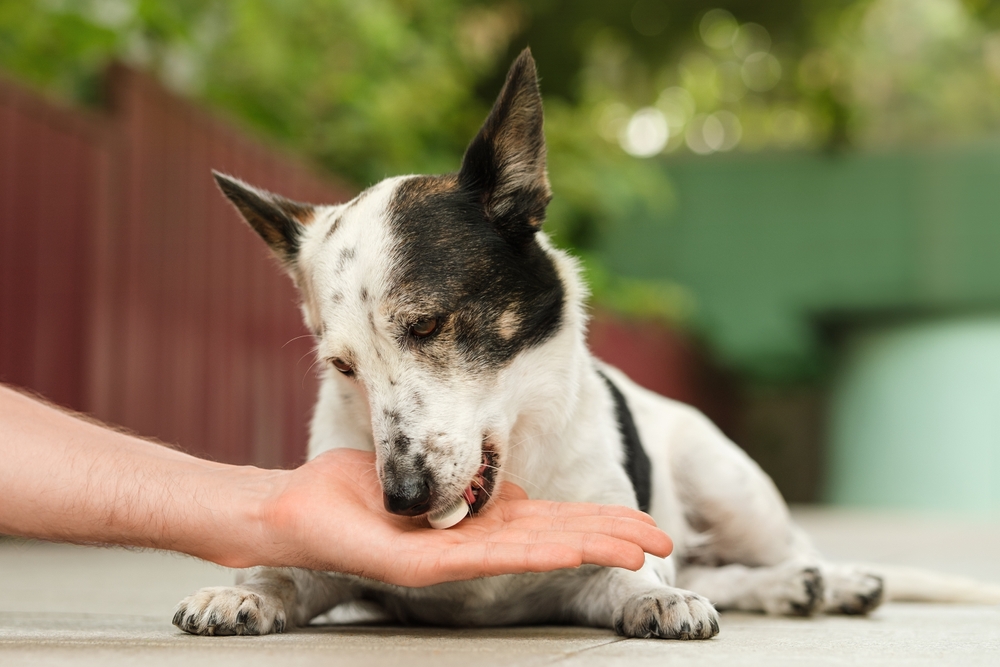
When the cause is medical, treating the underlying condition often makes healthy weight management possible again. Annual or twice-yearly bloodwork establishes a baseline that helps catch metabolic changes early.
Monitoring Through Every Life Stage
Body condition needs shift over time. Puppies and kittens grow rapidly and need higher-calorie diets to support development. Adults need maintenance feeding adjusted for activity level. Seniors often lose muscle even when their body fat increases, a condition called sarcopenia that requires specific nutritional and exercise interventions.
Our services include body condition assessment at every wellness visit. For adult dogs and cats, twice-yearly exams catch weight trends before they become significant problems. As your pet’s life changes (new home, schedule, activity level), portions and diet recommendations get updated alongside everything else.
Frequently Asked Questions About Pet Weight Management
How fast should my pet lose weight?
For dogs, 1 to 2 percent body weight per week is the safe target. For cats, slower is essential: roughly 0.5 to 1 percent per week, with veterinary monitoring throughout to avoid hepatic lipidosis. Faster weight loss is usually a sign that something needs adjustment.
My pet always seems hungry. Are they really getting enough food?
Probably yes. Many pets, especially food-motivated dogs, will eat much more than they need if given the option. The “always hungry” pet often does well with portions split into more frequent small meals or with interactive feeders that extend the time spent eating.
Should I switch foods for weight loss?
Sometimes. If your pet is significantly overweight or has health issues, a prescription weight-loss diet often works better than just reducing portions of the regular food. For diet transition, introduce the new food gradually over 7 to 10 days to avoid GI upset.
How can I tell if my pet has lost weight without a scale?
Body condition scoring at home gives you a useful self-check. If the waist is becoming more visible, ribs easier to feel, and your pet moves with more ease, those are real signs of progress even without a precise number.
Is it okay to feed my pet table scraps?
Small amounts of plain, unseasoned, pet-safe foods are usually fine occasionally, but they need to fit within the daily calorie budget. Most weight problems develop because table scraps and treats add up beyond the planned calories. Keep them at 10 percent or less of daily intake.
Taking the First Step Toward a Healthier Weight
Better body condition means easier movement, fewer health risks, and more good years together. The path there isn’t dramatic; it’s small steady changes that hold over months. Saying no to a begging pet is hard. So is watching your pet struggle with arthritis, diabetes, or breathing trouble that better weight management could have prevented.
If you’d like a calm, judgment-free assessment of your pet’s body condition, plus a plan that fits your home and lifestyle, we’re glad to help. Schedule an appointment for a hands-on evaluation, or reach out with questions. We’d rather help you build a sustainable plan now than treat preventable conditions later.


Leave A Comment