

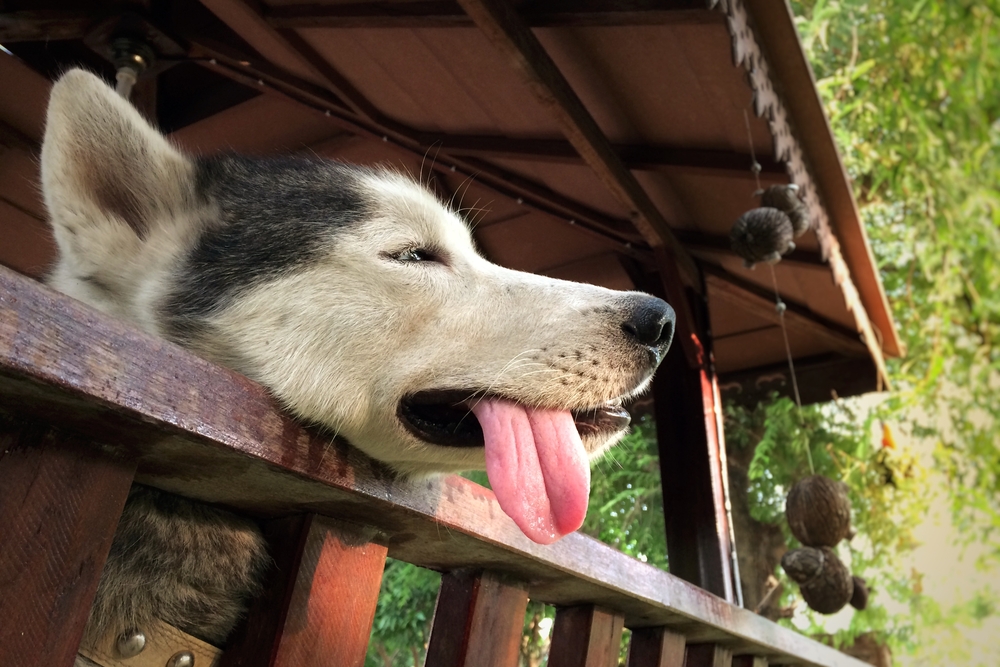
If your pet overheats, the moves that matter are quick and specific: get them out of the heat, cool them with cool (not iced) water on the neck, belly, groin, and paw pads, add airflow, and head to a veterinarian while you keep cooling. Iced water and ice baths work against you, making the surface vessels clamp shut and trapping heat in the core. Heat stroke strains the kidneys, blood pressure, and the blood’s ability to clot, and a pet who seems to recover can still be developing internal damage, so home cooling is the first step toward care, not the end of it.
Guam Pet Hospital cares for pets in a climate where heat is not a summer event, it is the year-round backdrop, which means the risk never really goes away. Our veterinary services include the diagnostics to assess an overheated pet quickly. If your pet has overheated, or you simply want to be ready before it happens, contact us and we will help you build a plan that fits island life.
Living With Year-Round Heat: The Essentials
- On Guam, heat risk is constant, so there is no cool season for pets to recover or acclimatize during.
- High humidity is the real danger, because it blunts the evaporative cooling that panting depends on.
- Cool (never iced) water plus airflow is the safe way to cool; ice traps heat in the core.
- A pet who bounces back after cooling can still develop kidney, liver, or clotting trouble over the next 24 to 72 hours.
Why Is Heat a Year-Round Risk on Guam?
On Guam, heat is not a seasonal warning, it is the everyday climate, with temperatures in the 80s and 90s and high humidity nearly all year. That changes how you have to think about heat safety, because pets here never get a cool stretch to build up the tolerance that animals in temperate places gain and lose with the seasons. The risk that spikes elsewhere for a few summer weeks simply runs in the background all twelve months.
That constant exposure means the habits that protect a pet cannot be seasonal either. Water, shade, timing, and a careful eye on the humidity have to be part of daily life, not something you switch on for a heat wave, because on the island the heat wave never fully ends.
Why Do Dogs and Cats Overheat So Easily in the Tropics?
Dogs and cats cool themselves mainly by panting, which sheds heat by evaporating moisture from the mouth and airway, with a little help from the paw pads. Humidity is the catch, and the tropics are full of it: when the air is already saturated, that evaporation slows down, so a pet can struggle on a humid 88-degree island day more than on a hotter, drier day elsewhere.
Some pets have even less margin to begin with:
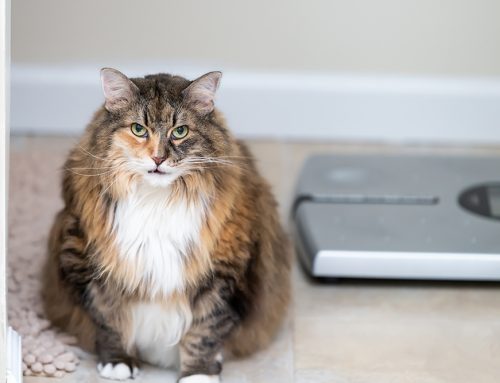
- Flat-faced (brachycephalic) breeds: bulldogs, French bulldogs, pugs, and Persian cats have narrowed airways that make panting far less effective. Brachycephalic thermoregulation hinges on body condition, so an overweight flat-faced pet is at the highest risk.
- Thick or double coats: breeds built for cooler places hold heat against the body, which is a real mismatch in the tropics.
- Puppies and seniors: both regulate temperature less reliably.
- Excess weight: added insulation plus more heat produced.
- Heart, airway, or endocrine disease: each lowers heat tolerance.
Because the climate is so steady, matching activity to the individual pet is something we revisit at regular visits rather than once a year before summer.
What Does Heat Stroke Look Like?
Heat stress is a spectrum, and catching it early is what keeps it from becoming an emergency. Heat stroke in pets generally climbs through three stages.
Early heat stress, still reversible at home:
- Heavy panting that does not slow with rest
- Hunting for cool tile or shade
- Drinking more than usual, and slowing down
Escalating heat exhaustion, the point to call us:
- Thick, ropy drool
- Bright or dark red gums
- Restlessness, weakness, or stumbling
- Vomiting or diarrhea
Severe heat stroke, a true emergency:
- Pale, purple, or grayish gums
- Collapse or an inability to stand
- Disorientation, unresponsiveness, or seizures
- Blood in vomit or stool
Cats keep it quiet. A cat in trouble may lie flat with the mouth slightly open, take short shallow breaths, or hide somewhere cool, and open-mouth breathing in a cat is never normal.
What Should You Do the Moment a Pet Overheats?
Speed matters more than getting every detail perfect, so move through these emergency steps for cooling:
- Bring your pet indoors to the coolest, best-ventilated room you have, ideally with air conditioning running.
- Soak the underside of the body, the belly, groin, armpits, and paw pads, with cool tap water from a tap or hose.
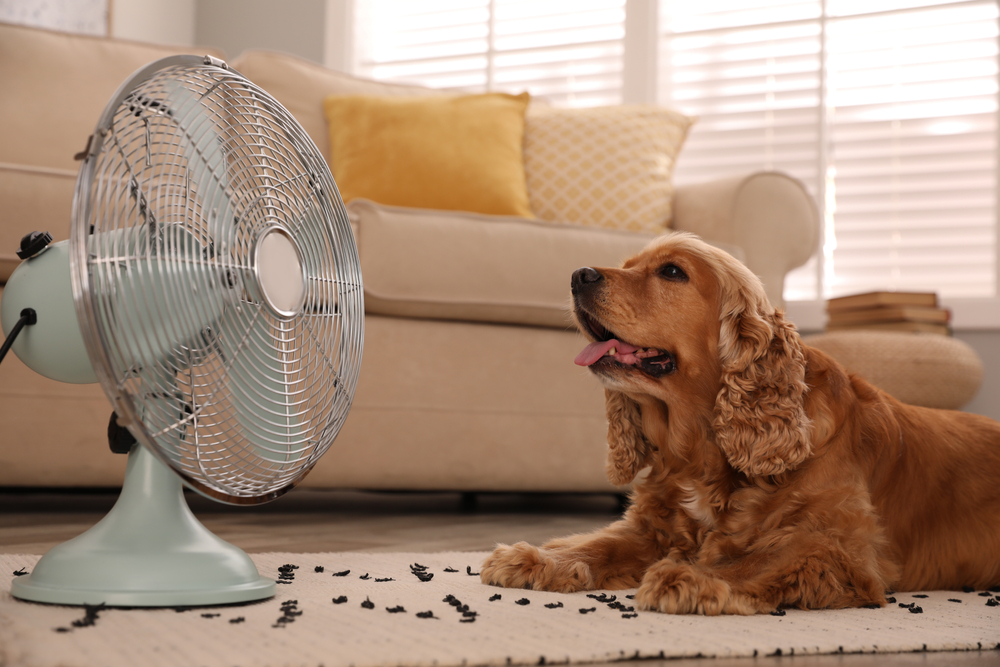
- Aim a fan at the wet fur so the moisture can evaporate and carry heat away.
- Let an alert pet lap a little cool water, but never pour it into the mouth of a groggy one.
- Stay away from ice, which clamps the surface vessels shut and stalls the cooling you want.
- Leave the towels off their back, since a draped wet towel seals heat in rather than letting it escape.
- Phone ahead and travel in, easing off the cooling as the temperature drops toward 103 degrees.
Even if your pet rallies on the way in, come anyway, because the outward picture rarely matches what is happening inside.
Why See the Vet Even After a Pet Cools Down?
A pet who cools down still needs to be seen, because the most serious effects of heat stroke develop internally over the following days. Heat stroke treatment works on three fronts: continued controlled cooling, IV fluids to support circulation and the organs, and close management of complications. The first 24 hours carry the highest risk, which is why monitoring matters as much as the cooling itself.
The delayed heat stroke complications we watch for:
- Acute kidney injury: values can worsen over 48 to 72 hours.
- Liver damage: enzymes often climb in the days after.
- Gut bleeding: bloody vomiting or diarrhea as the lining sloughs.
- Disseminated intravascular coagulation: a clotting disorder in which the body clots and bleeds at once.
- Brain swelling and seizures: which can appear after an apparent recovery.
In-house bloodwork lets us track kidney values, liver values, and clotting, so a pet who needs watching gets it rather than heading home too soon.
How Do You Protect a Pet From Heat Every Day?
On Guam, prevention is a daily routine rather than a summer checklist, and a few heat safety habits carry most of it. The table below maps the island day to a safer rhythm.
| Time of day | Typical island conditions | Safer choice |
| Early morning | The coolest window, gentler sun | Best time for walks and play |
| Midday | Peak heat and humidity | Stay indoors with airflow; quick potty breaks only |
| Afternoon | Hot, humid, intense sun | Skip pavement and exertion |
| Evening | Warm and still humid | A short walk once it eases, with water along |
Beyond timing, the daily basics matter: keep several water bowls filled indoors and out, give pets cool tile or a cooling mat to rest on, and check that shade still falls where your pet lies as the sun moves. Outdoors, preventing heat stroke means testing the pavement with the back of your hand for seven seconds before a walk and cutting it short the moment your pet lags or pants hard. The parked car is never safe, because an interior climbs into dangerous heat within minutes, and hot vehicles kill pets even with the windows cracked.
Cats and indoor pets need the same year-round thinking. For outdoor cat safety, offer shaded water stations refreshed twice daily and cool retreats, and treat open-mouth breathing in a cat as an emergency. Indoors, keep the air moving and beat boredom with boredom busters and DIY enrichment toys that occupy a pet without raising their body temperature.
Frequently Asked Questions About Pet Heat Stroke
My Pet Was Hot but Seems Fine Now. Do I Still Need to Come In?
Please bring them in. The real danger of heat stroke is internal, and kidney, liver, or clotting damage can surface a day or two later in a pet who looked fine right after cooling. A short exam and bloodwork let us catch it while it is still easy to treat, so call ahead and come by.
What Temperature Is Too Hot to Walk My Dog on Guam?
Because of the humidity, the air temperature alone undersells the risk here. For most dogs, the safest walks are early morning, and midday and afternoon walks are best skipped year-round. Flat-faced, senior, and overweight pets should stay in during the hottest hours, and the seven-second pavement test is a reliable check any day.
Are Some Breeds Always at Higher Heat Risk in a Tropical Climate?
Some breeds carry higher risk every single day here. Flat-faced breeds, heavy-coated breeds built for cooler places, seniors, overweight pets, and those with heart or airway disease are the most vulnerable, and on Guam that vulnerability never gets a seasonal break. If your pet is in one of those groups, year-round caution belongs in your routine.
Year-Round Heat Awareness for Guam Pets
On an island where the heat never lets up, daily heat-safety habits beat seasonal ones every time, since there is no seasonal break to fall back on. Keep walks early, water close, midday indoors, and a careful eye on the humidity, and cool the right way if your pet ever overheats, then come in.
If you want a heat plan built for island living, or your pet has overheated and needs to be checked, contact us or request an appointment and our team will help.


Leave A Comment