

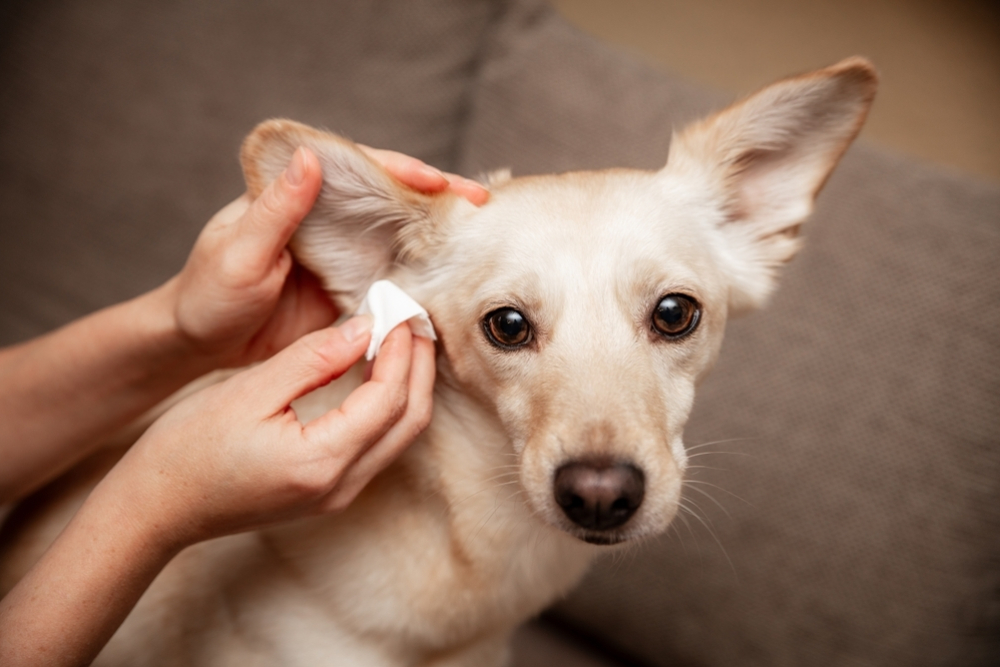
When your pet’s ear infection is the third one this year, the frustrating truth is that each course of medication has been treating the flare instead of the reason it keeps returning. Dogs and cats develop recurring ear infections when an underlying trigger, most often allergies, moisture left behind after swimming or baths, or the deep bend of the ear canal itself, keeps handing yeast and bacteria a place to grow. Clearing one infection does nothing to stop the next while that trigger stays in place. Real prevention starts with figuring out what is driving the cycle.
At Guam Pet Hospital in Hagåtña, a pet who keeps coming back with the same itchy, smelly ear is a signal to stop chasing the flare and start looking for the cause. We examine the ears closely and, when infections keep recurring, run in-house bloodwork to check for an underlying health issue that could be feeding the cycle, then map out a home care routine you can keep up with. Our whole aim is to treat the reason rather than the symptom, so the next infection does not simply appear a month later. When the same ear keeps flaring, schedule a visit and we will help you get ahead of it.
Why Ear Infections Keep Coming Back
- Recurring ear infections in dogs and cats are almost always a sign of an underlying trigger, most often allergies, trapped moisture, ear mites, or the shape of the ear canal itself, rather than plain bad luck.
- Clearing a single flare with drops does nothing to stop the next one while that trigger stays in place.
- Finding the real cause takes a proper workup: an ear exam, a look at a swab under the microscope, and often bloodwork to rule out a hormone problem feeding the infections.
- With the cause identified and a home routine you can realistically keep up with, most pets can go from several infections a year to none.
Why Do Dogs and Cats Get Ear Infections in the First Place?
A healthy ear canal holds a small, balanced population of yeast and bacteria in check with an intact skin barrier and the steady outward flow of wax and air. Infection takes hold when something disrupts that balance.
Allergic inflammation swells the lining of the passage. A bath or a swim leaves water behind. A cat picks up mites. A dog with a deep, hairy canal traps heat and wax against the skin. Once the environment turns warm and moist, yeast and bacteria bloom, and mild irritation becomes a painful infection. In Guam’s humidity, ears rarely get a full chance to dry out, which makes trapped moisture a common starting point here. Because the earliest changes are so easy to miss at home, routine wellness care is often where these problems get caught before they flare, especially in pets with a history of ear trouble.
Why Does the Same Ear Keep Flaring Up Month After Month?
When an infection returns within weeks of finishing the medication, the drops did their job but never reached the reason behind it. Something is still driving the inflammation, and until that driver is found and managed, the ear stays a welcoming place for yeast and bacteria.
The specific culprits fall into a few familiar groups:
- Allergies: Both environmental and food allergies inflame the skin lining the ear canal, and that low-grade irritation is often the real engine behind infections that keep returning. In cats especially, a food sensitivity can show up as itchy, infected ears before it shows up anywhere else.
- Trapped debris and moisture: A single grass seed lodged deep in the canal can set off an infection that returns the moment the debris is missed on a quick look. Heavy, hairy, or floppy ears that hold water after a swim create the same warm, damp trap.
- Hormone disorders: Hypothyroidism shifts the skin’s oil production and immune defenses, leaving the ear canal a friendlier place for yeast and bacteria. Cushing’s disease does something similar by flooding the body with cortisol, which blunts the immune response and lets infections linger.
- Resistant organisms and canal shape: Some infections come back because the bacteria have grown resistant to the usual drops, and the only way to know is a culture. A narrow or scarred passage that holds discharge keeps handing those organisms a place to regroup.
When the same ear flares a third or fourth time, that pattern is the signal to stop refilling drops and schedule a workup that looks for the driver underneath.
When Is an Ear Infection More Than Just an Infection?
A few signs point to chronic ear disease rather than a one-off flare: an infection that relapses within days of stopping medication, constant head shaking and scratching, a strong odor, dark discharge, and a canal that looks red, swollen, or thickened.
A dog who tilts and shakes their head over and over, or a cat pawing at one side, is telling you the passage is inflamed and sore. All that violent head shaking can burst a blood vessel in the ear flap, and the resulting ear hematoma swells into a firm, painful pocket that often needs its own treatment.
Left alone, ongoing inflammation reshapes the canal itself. The lining thickens, darkens, and can eventually calcify into a rigid tube that no medication can penetrate, and that change can’t be undone once it sets in. When these warning signs appear, reach out promptly rather than waiting to see whether it settles on its own.
How Do You Find the Cause of a Recurring Ear Infection?
Pinning down a repeat ear problem takes a stepwise workup rather than another round of drops. A careful ear exam with an otoscope lets us see how deep the inflammation runs and whether the eardrum is still intact before any medication goes in.
Ear cytology, a quick look at a swab under the microscope, reveals whether yeast, bacteria, or both are behind the flare and points treatment at the right target. When an infection keeps shrugging off the usual medications, a culture and sensitivity test identifies the resistant organism and the drug that will clear it.
When the ears keep relapsing with no debris or foreign body to blame, the search moves deeper. Bloodwork checks for a hormone disorder feeding the problem. Diet is another common hidden trigger, and when food is the suspect, a structured elimination diet trial is the only reliable way to confirm it, swapping every treat and meal for a single novel or hydrolyzed protein over several weeks.
| Suspected cause | What it often looks like | How we confirm it |
| Allergies | Both ears itchy, often alongside itchy paws or skin | Response to allergy control or a food trial |
| Ear mites | Dark, crumbly debris, common in cats | Swab under the microscope |
| Foreign body such as a grass seed | Sudden one-sided pain and head shaking | Otoscopic exam |
| Hormone disorder | Repeat infections plus coat or weight changes | Bloodwork |
| Resistant bacteria | Infection that returns fast after treatment | Culture and sensitivity |
| Middle-ear involvement | Head tilt and deep infection unresponsive to drops | X-rays, with referral imaging if needed |
Sorting an allergic ear from an infected or hormonal one is the point of the whole workup, and our veterinarians build the plan around what they find.
What Does Treating a Recurring Ear Infection Involve?
Treatment works on two fronts at once: clearing the active infection and shutting down whatever keeps inviting it back. The first part is familiar, cleaning and medicated drops, but it’s the second part that finally breaks the pattern.
Clearing the Active Infection
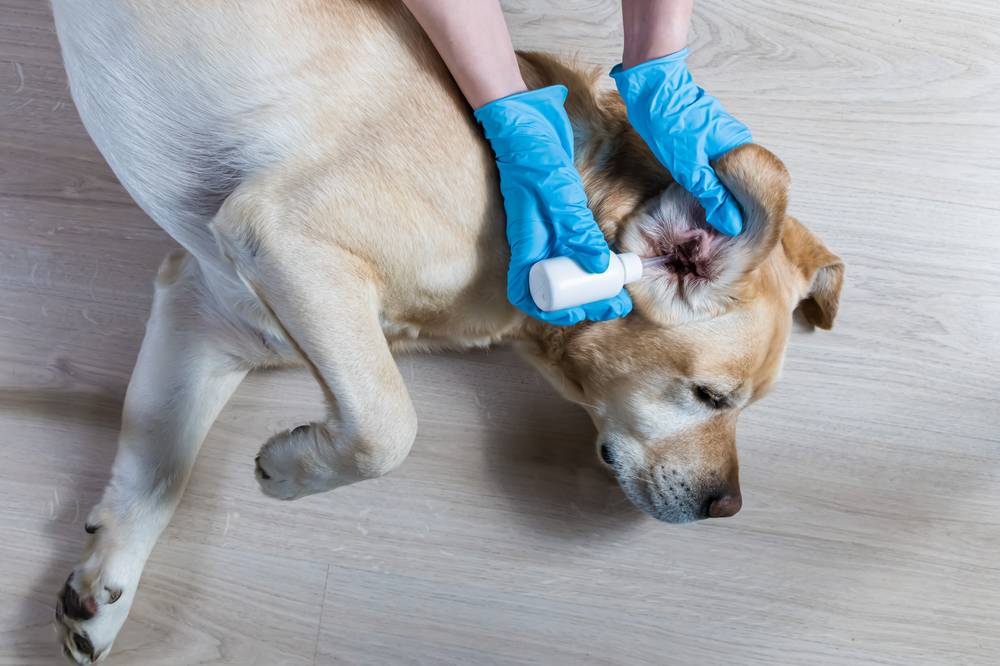
Every plan starts by getting the current infection under control. Gentle, thorough ear cleaning clears the discharge and debris that would otherwise shield bacteria from the medicated drops. When a canal is packed with material or too painful to handle awake, that first deep cleaning is sometimes done under sedation. Medicated drops go in next, matched to what the cytology showed, and an oral medication is added when the infection has spread into the canal wall. Finish the full course even after the ear looks and smells normal, because stopping early is how resistant infections are born.
Why the Recheck Isn’t Optional
An ear can look clean at the opening while infection still lingers deeper down, out of sight. A fresh swab under the microscope tells us whether the organisms are truly gone or simply quieted for the moment, and it’s the only honest way to confirm the ear has cleared before treatment stops. Skipping that visit is one of the most common reasons a “cured” ear is flaring again a month later.
Fixing the Root Cause
Clearing the infection buys comfort; keeping it gone means dealing with the driver. For an allergic pet, that means long-term allergy control, sometimes guided by a food trial to pin down a dietary trigger. When bloodwork points to a hormone disorder, treating the thyroid or adrenal condition often calms the ears as a welcome side effect. Sometimes a growth is the culprit, and polyps sitting in the canal keep inflammation churning until they’re surgically removed, a cause worth ruling out especially in a cat with a stubborn one-sided infection.
When the Ear Is Too Damaged for Medication
For ears so scarred by years of inflammation that medication can no longer reach the infection, total ear canal ablation removes the diseased canal entirely and, for many dogs, ends years of chronic pain. It’s a major surgery, so we talk through when it makes sense and where the procedure can be performed before anyone heads down that road.
How Do You Keep a Dog or Cat’s Ears Healthy Long Term?
Long-term prevention comes down to a routine you can keep up with: cleaning the ears on a schedule that fits your pet, drying them after every bath or swim, staying on top of allergy control, and checking for trapped debris after outdoor adventures. Consistency, not intensity, is what keeps the flares away.
- A cleaning schedule should fit the individual, not a generic calendar. A dog with allergies and floppy ears may need a weekly wipe with a vet-approved cleaner, while a healthy-eared cat may never need routine cleaning at all.
- Water is the other thing to stay ahead of. Drying the ears gently after every bath, swim, or rainy walk removes the damp that yeast thrives in.
- For dogs who spend time in tall grass or brush, a quick check for a grass seed or awn after outdoor time can catch a foreign body before it burrows deep.
- Strong skin starts from the inside, and nutrition for skin health, particularly omega-3 fatty acids, helps maintain the barrier that keeps the ear canal resistant to flare-ups.
For pets with a history of ear trouble, folding these habits into a preventive care plan with regular rechecks is what turns a chronic problem into a managed one.
Recurring Ear Infection Questions Pet Families Ask Us Most
Can I just reuse the leftover ear drops when it flares again?
It’s tempting, but reaching for the old bottle usually backfires. Those drops were matched to a specific infection at a specific moment, and the organism behind this flare may be different or already resistant to that medication. The wrong drops can also mask symptoms while the real problem deepens, and putting anything into an ear with a ruptured eardrum can cause harm. A quick swab tells us what we’re actually treating, so it’s worth a call before you open the cabinet.
Are some pets just going to get ear infections no matter what?
Some breeds and some cats do carry a higher baseline risk. Dogs with long, floppy ears, narrow or hairy canals, or a tendency toward allergies face steeper odds, and certain cats are prone to polyps. But breed isn’t destiny. A predisposed pet whose allergies are controlled and whose ears stay clean and dry can go years without a single infection.
My cat keeps getting ear infections. Is that different from a dog?
Cats and dogs share a lot here, but a few causes lean feline. Ear mites are a far more common driver in cats, especially younger ones and those who go outdoors, and they spread easily between animals in a household. Nasopharyngeal polyps, benign growths that sit deep in the canal, are another cat-specific reason behind a stubborn, one-sided infection. A recurring feline ear problem is always worth checking for both before assuming it’s a simple infection.
Breaking the Cycle for Good
Recurring ear infections almost never come out of nowhere. They’re a message that something underneath, an allergy, a hormone shift, trapped moisture, or the shape of the canal itself, is holding the door open. Once that cause is found and treated alongside the infection, most dogs and cats stop cycling through flare after flare.
You don’t have to sort out which piece it is on your own. When the same ear keeps flaring, our veterinary team at Guam Pet Hospital can build a plan aimed at what’s really driving it. Reach out or request an appointment and we’ll stay with you until those ears finally settle.


Leave A Comment